

The events of 2025 and early 2026 may ultimately be remembered as one of the most transformative periods in Iran’s modern economic history.
A combination of military conflict, regional instability, renewed diplomatic negotiations, domestic protests, internet disruptions, inflation, and evolving sanctions has fundamentally changed how international companies view the Iranian market.
For foreign businesses, the key question is no longer whether Iran presents opportunities. The real question is how to navigate a market that combines enormous long-term potential with significant political and economic complexity.
As the second half of 2026 unfolds, understanding Iran requires moving beyond headlines and geopolitical noise to examine the long-term structural changes that are redefining the country’s economic landscape and business opportunities.
A Market That Refuses to Disappear
Despite years of sanctions and economic challenges, Iran remains one of the largest consumer markets in the Middle East.
With a population approaching 90 million people, a highly urbanized society, and a digitally connected younger generation, the country continues to attract attention from regional and international investors.
Iran’s strategic position also remains unchanged. Situated between the Middle East, Central Asia, the Caucasus, and major maritime trade routes, the country maintains long-term geopolitical importance that few regional markets can match.
For international companies, Iran continues to offer:
-
A large domestic consumer base
-
Strong industrial capacity
-
Competitive labor costs
-
Engineering and technical talent
-
Significant natural resources
-
Growing demand for modern products and services
While risks remain substantial, the market itself has not disappeared. In many sectors, demand continues to outpace supply.
The Impact of the Iran War on Business Confidence
The Iran war conflict created immediate uncertainty across the region.
Businesses faced concerns regarding:
-
Regional security
-
Logistics disruptions
-
Energy market volatility
-
Currency fluctuations
-
Supply chain stability
Many companies temporarily postponed investment decisions while assessing the potential consequences of a prolonged conflict.
However, the aftermath revealed an important reality: businesses are increasingly learning to operate within uncertainty.
Rather than abandoning the region entirely, many firms shifted toward more cautious and flexible operating models.
Today, investors are focusing less on short-term volatility and more on long-term market fundamentals.
This article is useful for understanding this section:
The Return of Iran-US Negotiations
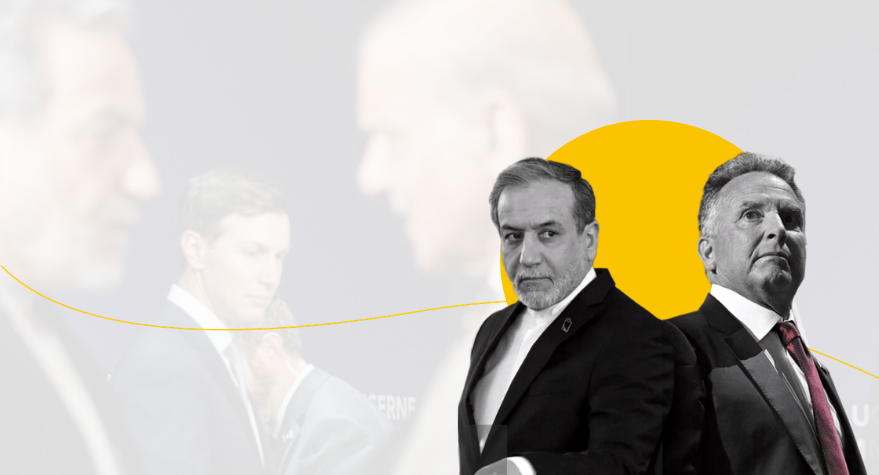
One of the most significant developments of 2026 has been the resumption of negotiations between Iran and the United States.
Following months of tension and the interruption caused by the regional conflict, diplomatic talks resumed in June 2026.
While a comprehensive agreement remains uncertain, the return of negotiations has had several immediate effects:
-
Improved market sentiment
-
Greater business optimism
-
Increased interest from regional investors
-
Renewed discussions around sanctions relief
-
Stronger expectations for future economic integration
For foreign companies, even limited diplomatic progress can significantly alter the business environment.
Markets often respond not only to agreements themselves but also to expectations about future opportunities.
Sanctions Remain the Defining Variable
Despite renewed diplomatic engagement, sanctions continue to shape nearly every aspect of doing business in Iran.
International companies must still consider:
-
Financial restrictions
-
Banking limitations
-
Compliance requirements
-
Technology transfer controls
-
International payment challenges
The sanctions environment remains one of the primary barriers preventing large-scale foreign direct investment.
However, businesses from neighboring countries and parts of Asia continue to find pathways into the market through partnerships, distribution agreements, and localized operating models.
The ability to navigate compliance requirements remains a key competitive advantage.
Domestic Protests and Social Pressures
Iran entered 2026 facing significant domestic challenges.
In January 2026, widespread protests emerged in several cities, reflecting growing concerns about economic conditions, inflation, employment, and living standards.
The unrest highlighted an important reality for businesses: economic pressure continues to affect large segments of Iranian society.
For brands and investors, this means understanding that consumer behavior is increasingly shaped by:
-
Purchasing power concerns
-
Price sensitivity
-
Economic uncertainty
-
Trust and transparency
-
Value-driven decision-making
Companies that fail to adapt their pricing, messaging, and product strategies may struggle to connect with consumers in the current environment.
The Social Mood in Iran After the War
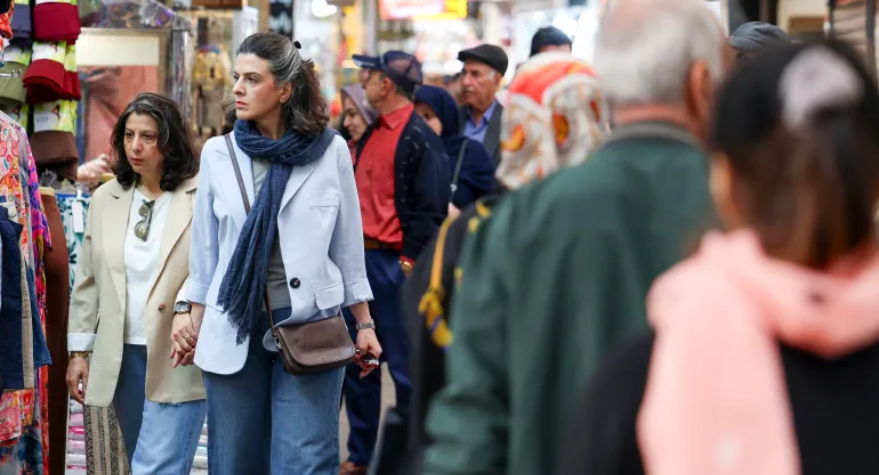
Photo: reuters
Beyond economic indicators and political developments, the social impact of the war has become one of the most important factors shaping Iran’s future business environment.
The months following the conflict left many Iranians facing a combination of uncertainty, economic pressure, and emotional fatigue. For much of the population, concerns about personal security, employment, inflation, and long-term stability became increasingly intertwined.
The war, combined with years of sanctions and economic challenges, has accelerated several social trends:
-
Greater economic caution among households
-
Increased demand for financial security and stability
-
Rising concerns about future employment opportunities
-
Growing interest in migration among younger generations
-
Stronger focus on family support networks and local communities
At the same time, the conflict reinforced a sense of resilience that has characterized Iranian society during previous periods of crisis. Many businesses, entrepreneurs, and professionals adapted quickly to disruptions, seeking new ways to continue operating despite uncertainty.
For brands and investors, understanding this social reality is essential. Iranian consumers are not simply responding to prices and products; they are responding to a broader environment shaped by economic stress, social change, and evolving expectations about the future.
Trust, transparency, reliability, and genuine value have become increasingly important factors in consumer decision-making. Companies that recognize these changing priorities are likely to build stronger and more sustainable relationships with Iranian customers.
In many ways, the post-war Iranian consumer is more cautious, more selective, and more value-conscious than before. Yet they also remain highly connected, digitally engaged, and open to brands that demonstrate credibility and long-term commitment to the market.
The Economic Cost of Internet Shutdowns
One of the most disruptive developments for the private sector was the temporary internet shutdown that occurred during periods of unrest.
For approximately two weeks, many digital businesses experienced severe operational challenges.
The consequences included:
-
Reduced online sales
-
Interrupted payment systems
-
Lost advertising revenue
-
Disrupted logistics coordination
-
Lower customer engagement
Small and medium-sized enterprises (SMEs) were among the hardest hit.
Many businesses that had already been struggling with inflation and reduced consumer spending faced additional pressure from digital disruptions.
The episode served as a reminder that digital infrastructure has become a critical component of economic stability.
Why Small Businesses Suffered the Most
SMEs have traditionally formed the backbone of Iran’s private sector.
However, the combination of inflation, reduced consumer demand, internet disruptions, and uncertainty created an exceptionally difficult operating environment.
Many business owners reported:
-
Declining sales
-
Higher operating costs
-
Reduced access to financing
-
Inventory challenges
-
Lower profitability
Some businesses temporarily suspended operations, while others exited the market entirely.
For international companies considering partnerships in Iran, evaluating the financial health and resilience of local partners has become more important than ever.
Inflation Is Changing Consumer Behavior
Perhaps the most significant long-term shift has been the transformation of consumer behavior.
Years of inflation have changed how Iranian consumers make purchasing decisions.
Consumers increasingly prioritize:
-
Essential products
-
Price-to-value ratios
-
Promotional offers
-
Installment payment options
-
Trusted brands
At the same time, many households have shifted toward preserving value through real assets rather than cash savings.
Gold, foreign currency, and certain commodities have often been viewed as more effective stores of value during periods of economic uncertainty.
For marketers, understanding these behavioral changes is essential.
The traditional marketing playbook no longer applies in the same way it did a decade ago.
This article is useful for understanding this section:
New Opportunities Emerging Despite the Challenges
While much attention focuses on risk, several sectors continue to attract strong interest.
Areas with notable potential include:
Energy and Petrochemicals
Iran remains one of the world’s largest energy producers, with substantial long-term opportunities in oil, gas, and downstream industries.
Food and Consumer Goods
Demand for affordable, high-quality products remains strong, particularly in categories linked to health, nutrition, and everyday consumption.
Healthcare and Pharmaceuticals
An aging population and growing healthcare needs continue driving demand for medical products and services.
Technology
Despite challenges, Iran maintains a large pool of technical talent, creating opportunities in software development, AI, cybersecurity, and digital services.
Renewable Energy
Energy diversification remains a strategic priority, creating opportunities in solar, energy efficiency, and grid modernization.
This article is useful for understanding this section:
What International Companies Should Do Next
Companies evaluating Iran in 2026 should focus on preparation rather than speculation.
Key priorities include:
Build Local Partnerships
Local expertise remains essential for navigating regulations, culture, and market dynamics.
Monitor Regulatory Developments
Political and diplomatic developments can quickly influence business conditions.
Adapt to Local Consumer Behavior
Success depends on understanding how inflation and economic uncertainty affect purchasing decisions.
Invest in Digital Resilience
Operational flexibility and alternative communication channels are becoming increasingly important.
Take a Long-Term View
The most successful companies in challenging markets are often those willing to invest patiently and build relationships over time.
The Future of Iran’s Business Environment
Iran stands at a crossroads.
The country faces undeniable challenges:
-
Sanctions
-
Inflation
-
Political uncertainty
-
Infrastructure pressures
-
Regulatory complexity
Yet it also possesses characteristics that continue to attract international interest:
-
A large population
-
Strategic geography
-
Industrial capabilities
-
Human capital
-
Untapped market potential