

The Iran war is no longer just a geopolitical conflict — it has become a defining economic and business event for the Middle East and beyond. What began as a regional military escalation has rapidly evolved into a structural shock affecting trade routes, energy markets, investment behavior, logistics, tourism, consumer confidence, and long-term business strategy.
For international brands, investors, manufacturers, logistics operators, and regional governments, the consequences are already visible. From rising insurance costs in the Gulf to supply-chain disruptions in Asia and inflationary pressure in Europe, the war is reshaping how companies think about risk, resilience, and regional expansion.
The Middle East in 2026 is entering a new economic phase — one where geopolitical instability directly influences corporate decision-making.
The Strait of Hormuz: The World’s Most Important Bottleneck
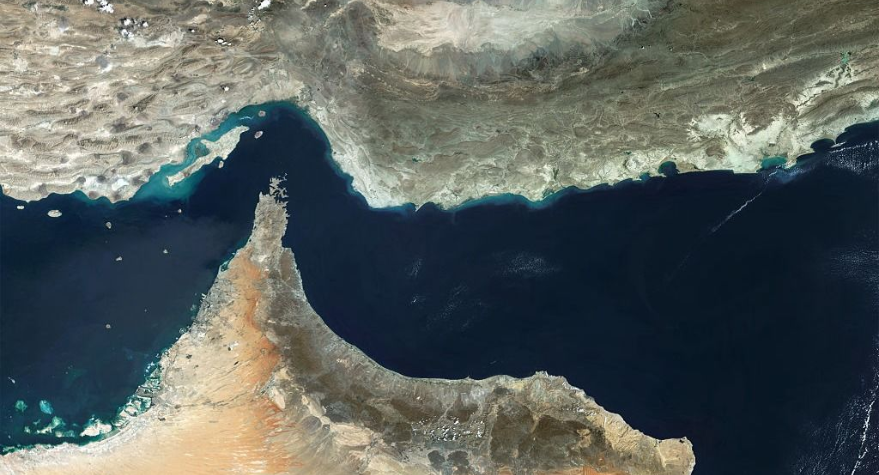
One of the most immediate business consequences of the Iran war has been disruption around the Strait of Hormuz, through which a major portion of global oil and LNG shipments pass. Increased military tensions and restrictions on shipping traffic have created severe pressure on energy markets and regional trade flows.
Shipping companies and insurers have responded by:
-
Increasing freight insurance premiums
-
Rerouting cargo
-
Reducing Gulf exposure
-
Delaying shipments
For businesses dependent on Middle Eastern logistics, the impact has been immediate.
Industries affected include:
-
Automotive manufacturing
-
Chemicals and petrochemicals
-
Food imports
-
Aviation
-
Retail supply chains
The closure and instability around Hormuz have also triggered broader concerns about the reliability of global trade infrastructure.
Energy Prices Are Reshaping the Global Economy
The war has pushed energy back to the center of global business strategy.
Oil prices surged sharply following disruptions in Gulf exports and fears of prolonged instability. According to reports from the Federal Reserve and market analysts, geopolitical risks tied to the Iran conflict are now among the largest threats to global financial stability.
The consequences include:
-
Rising inflation globally
-
Higher manufacturing costs
-
Increased transportation expenses
-
Pressure on central banks
-
Reduced consumer spending
Large corporations have already reported significant financial impacts. Toyota announced billions in losses linked to rising material costs and regional instability caused by the conflict.
For many companies, the Iran war is becoming an operational challenge rather than simply a geopolitical headline.
Supply Chains Across the Middle East Are Being Redefined
The conflict has exposed how vulnerable regional supply chains remain.
Trade routes connecting:
-
Asia
-
the Gulf
-
Europe
-
North Africa
have all experienced varying degrees of disruption.
Petrochemical exports from GCC countries have become more expensive and unpredictable due to higher freight and insurance costs. Polymer and plastics markets have already experienced significant price increases.
Meanwhile:
-
airlines face rerouting costs,
-
shipping firms are avoiding high-risk zones,
-
manufacturers are reconsidering inventory strategies.
Businesses are increasingly shifting toward:
-
regional warehousing,
-
diversified sourcing,
-
localized production,
-
nearshoring strategies.
The era of “cheap and uninterrupted global logistics” is being challenged again — this time through Middle Eastern instability.
The Gulf Economies Face a Strategic Turning Point
The war has deeply affected Gulf countries that spent decades positioning themselves as stable global business hubs.
Cities like:
-
Dubai
-
Doha
-
Riyadh
have built international reputations based on safety, connectivity, finance, and tourism.
But recent military escalation has forced Gulf governments and investors to reconsider assumptions about regional stability.
Several strategic shifts are already emerging:
-
accelerated economic diversification,
-
stronger energy-security planning,
-
investment in domestic manufacturing,
-
expansion of Red Sea trade corridors,
-
increased defense and cybersecurity spending.
For Gulf countries, the Iran war is not only a security crisis — it is reshaping long-term economic strategy.
Tourism, Aviation, and Hospitality Under Pressure
One of the industries hit hardest has been aviation and tourism.
The conflict triggered:
-
flight cancellations,
-
airspace closures,
-
rerouting,
-
insurance increases,
-
lower tourism confidence.
Major aviation hubs including Dubai International Airport experienced disruptions comparable to the pandemic era.
Hospitality businesses across the region have also faced:
-
declining bookings,
-
event cancellations,
-
slower luxury spending.
While tourism has not collapsed, the perception of regional instability has become a major business challenge for airlines, hotels, and travel operators.
Foreign Investment Is Becoming More Selective
Investors are not necessarily leaving the region — but they are becoming more cautious.
International firms are increasingly prioritizing:
-
political-risk analysis,
-
localized partnerships,
-
flexible operating models,
-
sanction compliance,
-
supply-chain resilience.
At the same time, some sectors continue attracting interest despite instability: including energy infrastructure, logistics, AI, cybersecurity, and investment opportunities in Iran.
-
energy infrastructure,
-
logistics,
-
food security,
-
cybersecurity,
-
defense technologies,
-
AI and digital infrastructure.
The war is effectively separating “high-risk speculative investment” from “strategic long-term positioning.”
Iran’s Economy: Pressure and Adaptation
Iran economic outlook 2026 before recent War,
Inside Iran itself, the conflict has intensified existing economic pressures caused by sanctions and inflation.
Businesses have faced:
-
currency volatility,
-
internet shutdowns,
-
consumer uncertainty,
-
rising import costs,
-
reduced purchasing power.
Yet despite these pressures, Iran’s domestic market remains highly active.
The country still offers:
-
a large consumer population,
-
strong digital engagement,
-
industrial capacity,
-
engineering talent,
-
local manufacturing potential.
This paradox — high risk combined with deep market potential — continues to attract attention from regional and Asian businesses.
For deeper analysis, companies increasingly study:
-
Iranian digital consumer behavior,
-
crisis marketing adaptation,
-
sanctions-related operational models.
Cybersecurity and Digital Infrastructure Risks Are Rising
Another major shift created by the war is the growing importance of cybersecurity.
Governments and companies across the region are increasing investment in:
-
cyber defense,
-
cloud infrastructure,
-
digital resilience,
-
AI-driven security systems.
Businesses now understand that modern conflict extends beyond missiles and oil infrastructure — it also targets:
-
payment systems,
-
logistics software,
-
telecom infrastructure,
-
banking systems,
-
digital communication networks.
As a result, cybersecurity spending is accelerating across the Middle East.
How Consumer Behavior Is Changing Across the Region
The psychological impact of war and instability is also influencing consumers.
Across many Middle Eastern markets:
-
spending behavior is becoming more cautious,
-
consumers prioritize essentials,
-
demand for affordable products rises,
-
installment payment systems grow,
-
trust and brand stability become more important.
Luxury and discretionary spending have slowed in some segments, while:
-
food,
-
healthcare,
-
digital services,
-
affordable retail
continue showing resilience.
Brands that succeed in this environment are those that adapt quickly to emotional and economic realities.
What International Brands Must Understand Now
The Iran war is forcing companies to rethink traditional assumptions about the Middle East.
The region is still full of opportunity — but success increasingly depends on:
-
geopolitical awareness,
-
operational flexibility,
-
local partnerships,
-
crisis preparedness,
-
adaptive logistics,
-
resilient digital infrastructure.
Companies entering the region in 2026 must prepare for:
-
sudden disruptions,
-
changing regulations,
-
currency volatility,
-
shifting consumer behavior.
At the same time, businesses that build long-term local strategies may gain significant advantages while competitors hesitate.
Conclusion
The Iran war is reshaping business in the Middle East far beyond the battlefield.
Energy markets, trade routes, tourism, logistics, investment strategy, inflation, and digital infrastructure are all being transformed by a conflict whose economic consequences now extend across Europe, Asia, and the Gulf.
For international brands and investors, the lesson is clear:
The Middle East is not becoming irrelevant — it is becoming more strategically important, more complex, and more interconnected with global business risk.
Companies that understand this new reality early may be better positioned for the next decade of regional transformation.
Publish Date: 9 May 2026